Most ultra races market themselves the same way: open registration, post the course map, send an email when the price goes up. Then the race director watches the registration count and hopes.
A course map is not a reason to sign up. Neither is a price increase. Runners register for an ultra because they can picture themselves out there, and your marketing's job is to put that picture in front of them.
We work with races and event organizers on registration campaigns and race coverage, most recently the Freedom Ultra Festival and Black Barn 200 for Freedom Ultra Runners. Here's what actually moves registrations.
"Runners don't sign up for a course map. They sign up for the version of themselves they picture finishing it."
Know Who's Actually Signing Up
"Runners" is a big, expensive audience. The people who register for your ultra are a much smaller and more specific group, and they're not all looking for the same thing:
- Step-up runners. They've done a 50K and are eyeing their first 50-miler or 100. They need confidence: cutoffs, aid station support, what the course really asks of them.
- Experienced ultra runners. They want a reason to pick your race over the other twelve that weekend. The course, the vibe, the challenge, the buckle.
- Returning finishers. Your cheapest registrations. They already love the race. Remind them early, and give them something new to come back for.
- Locals and crew. People who came to crew or volunteer last year are halfway to registering this year.
Each group needs a different message. One generic "Registration is open!" post speaks to none of them.
Film This Year's Race to Sell Next Year's
The single best asset for a registration campaign is real footage from your own race. Stock footage and graphics can't compete with your actual course at sunrise, your aid station volunteers, and your finishers crying at the line.
When we cover a race, we're shooting with next year's registration push in mind:
- The course at its best. The views, the trail and the terrain that make your race different.
- The aid stations and volunteers, because that's what step-up runners want to see.
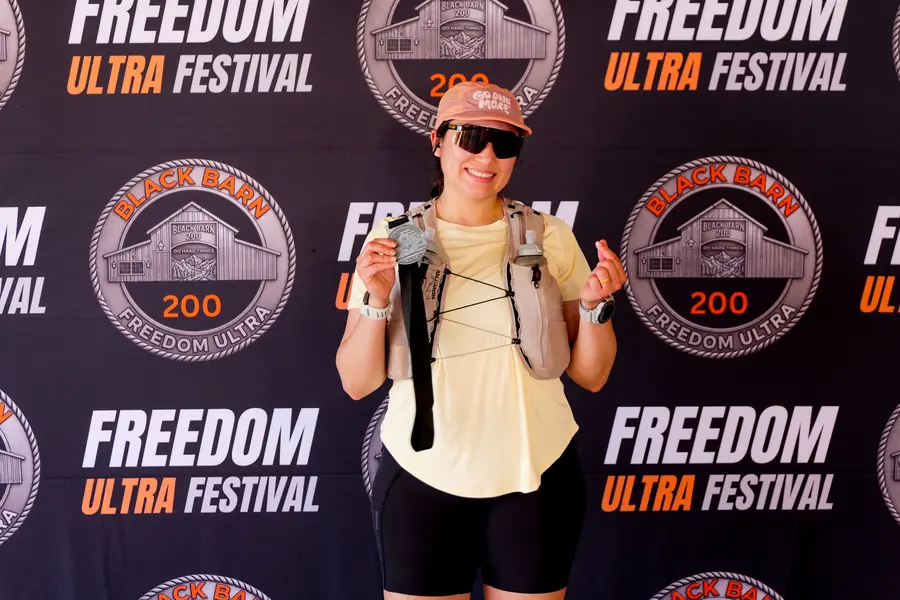
- The finish line and the moments right after it.
- Short clips of real runners saying why they came and whether they'll be back.
Build a Registration Calendar
Registration isn't one announcement. It's a season with distinct phases, and each phase needs different creative:
- Launch. Hit returning finishers and your email list first, then go broad with your best footage.
- Early-bird deadline. A real reason to act now. Pair the deadline with the most emotional footage you have.
- The quiet middle. This is where most races go silent and registrations flatline. Keep showing the course, the community and the training stories.
- Price increases and final spots. Urgency works here, but only if runners already want in.
Meta Ads for Ultra Races
Facebook and Instagram are where most ultra runners find their next race, and they let you reach a very specific audience:
- Start with people who already know you. Past registrants, your email list, site visitors and people who watched your race videos. These are usually your cheapest registrations.
- Expand to people like them. Lookalike audiences built from your past registrants find more runners who behave like the ones you already have.
- Lead with video. Course footage outperforms graphics because it lets runners picture themselves out there.
- Track registrations, not likes. If your registration platform supports conversion tracking, set it up before you spend a dollar. The number that matters is cost per registration.
- Refresh creative. The same ad running for four months stops working. Plan new cuts for each phase of the calendar.
Let Your Finishers Do the Talking
Your finishers are your best salespeople. Share their photos, their race reports and their "I'll be back" posts. A runner deciding between two races trusts another runner more than they'll ever trust a race director's caption.
That's also why the people making your content matter. Ultra runners can tell when race marketing was made by someone who's never been on course at 3am. (More on that in how to create ads ultra runners actually trust.)
The Short Version
- Know which runners you're talking to and speak to each group.
- Film this year's race with next year's registrations in mind.
- Treat registration as a season, not a single post.
- Put real course footage behind Meta ads and measure cost per registration.
- Let your finishers sell the race for you.
Want help filling your field? We run registration campaigns and race coverage as part of our ultra running marketing work, anywhere in the U.S. Send us a message →